
written by Goran Dobrić
It’s time to wrap up impressions at the end of a truly rewarding project. SUNRISE has helped ETF gain valuable insight into research management, enriched by generous knowledge-sharing from advanced Research Support Offices (RSOs).
Although the workshop took place a few months ago, its impact is only now becoming fully visible. Research Management Office staff from three universities—the University of Seville, the University of Bilbao, and our own University of Belgrade—gathered in the Palace of Science. It was one of the key events of our three-year project, yet it felt a bit like a class reunion: people meeting for the first time, but instantly connected by shared experiences in project management and research support.
The Palace of Science provided the perfect backdrop. A serious building for serious topics—yet with plenty of room for open discussion.
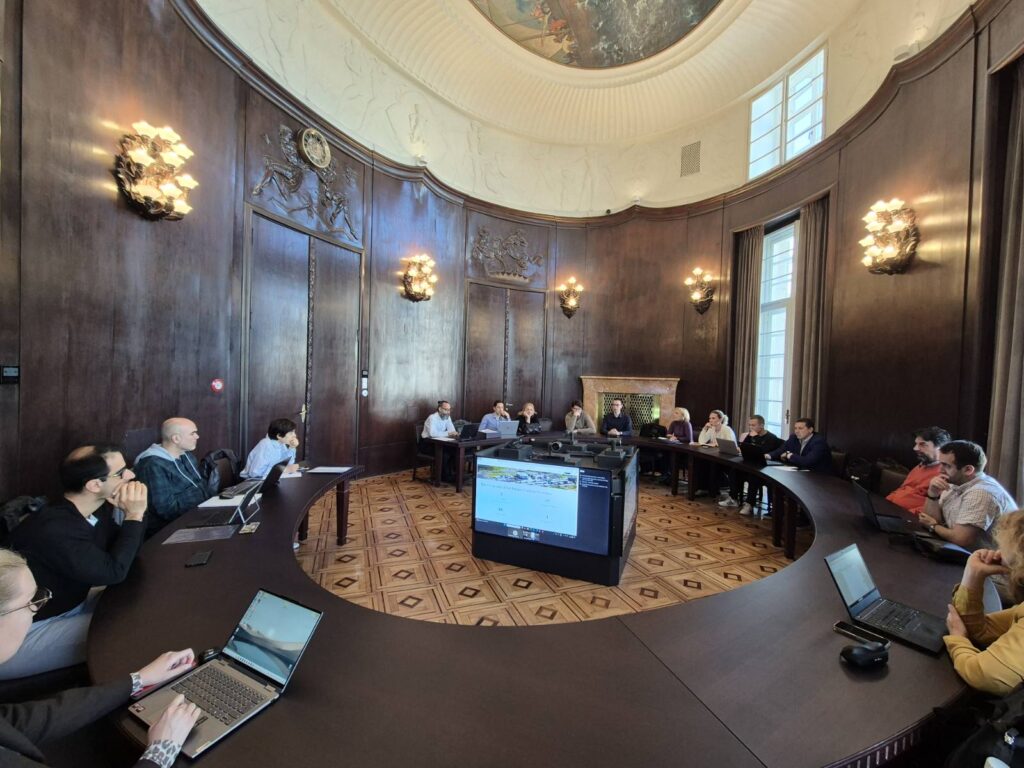
Our lecturers came from Bilbao and Seville, bringing not only extensive experience but also a noticeable dose of SUNRISE energy. They guided us through:
- how they organize infrastructure support for researchers,
- how they manage proposal preparation and post-award processes,
- and how their offices communicate with faculties and project teams.
What stood out most was the honesty of the discussions. We compared workflows, tools, and the ever-present “who does what” question in research support. It was oddly comforting to realize that last-minute proposals, confusing budget lines, and email overload are truly international experiences.
Despite the professional focus, the atmosphere remained relaxed. Alongside best practices, participants shared small but valuable survival tips: how they train new colleagues, track funding calls, and explain complex rules to researchers without overwhelming them.
After the workshop, we did what any good host should do—we took our guests out to dinner. Over generous Serbian portions (which tend to surprise even the bravest visitors), conversations continued well into the evening. Gradually, topics shifted from project management to travel stories, university cultures, and whose flight schedule had been the most unfortunate.
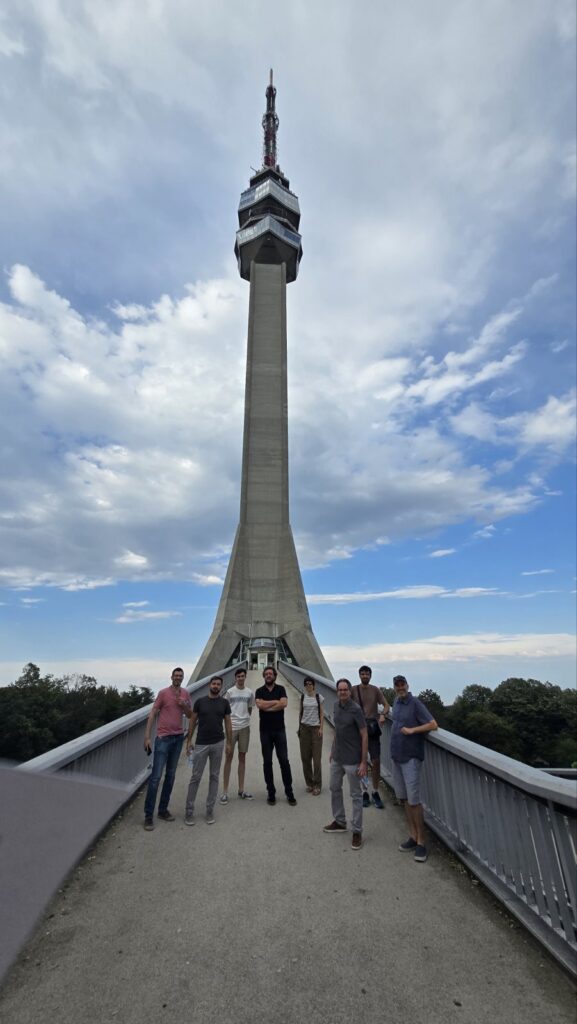
One of the highlights was a visit to Avala Tower. The view over Belgrade was stunning—whenever we managed to keep our eyes open. The wind at the top was relentless, enthusiastically restyling our hair and turning group photos into a minor physical challenge. Still, it was worth it. Standing there together, overlooking the city, the project felt tangible and shared—not just a logo on a presentation slide.
Looking back, that workshop was more than just another milestone in a three-year plan. It helped us:
- connect with colleagues behind the email addresses,
- see how different universities tackle similar challenges,
- and bring home ideas we could realistically apply in our own offices.
We left tired, slightly windblown, but motivated—and reminded that research management, for all its technical complexity, is ultimately about people working together. And that may be the best outcome any workshop can achieve.